|
Sat, October 24 2026
|
Your AI-powered news summary on
US Telecom Daily
|
|
We synthesized 53 articles so you don't have to, saving you approximately 4 hours of reading time.
|
 | Spacex's Ambitions Disrupt Telecom Market SpaceX is making waves in the telecom industry with its plans to access 80,000 cell sites across the U.S., aiming to become a fourth national wireless carrier. This move has led to significant stock declines for major players like AT&T, T-Mobile, and Verizon as they face the potential for intensified competition. Despite SpaceX's lack of wireless customers and spectrum, its ambitions are prompting established carriers to reassess their market strategies. AT&T has reported a revenue increase, yet its stock remains under pressure due to these competitive threats.
Meanwhile, Verizon has experienced a smaller decline, reflecting investor confidence in its resilience to market disruptions compared to its peers. |
 | Verizon's Strategic Moves Amid Market Challenges Verizon is actively working to maintain its leadership position in the telecom sector through strategic investments in 5G infrastructure and customer experience enhancement. At the ANA Masters of Marketing conference, Verizon outlined its branding initiatives to shift consumer perception from a utility provider to a more engaging entity. This includes simplifying its offerings and leveraging pop culture in advertising campaigns. Furthermore, Verizon anticipates a recovery following its earnings report, despite facing challenges from SpaceX's spectrum acquisitions. |
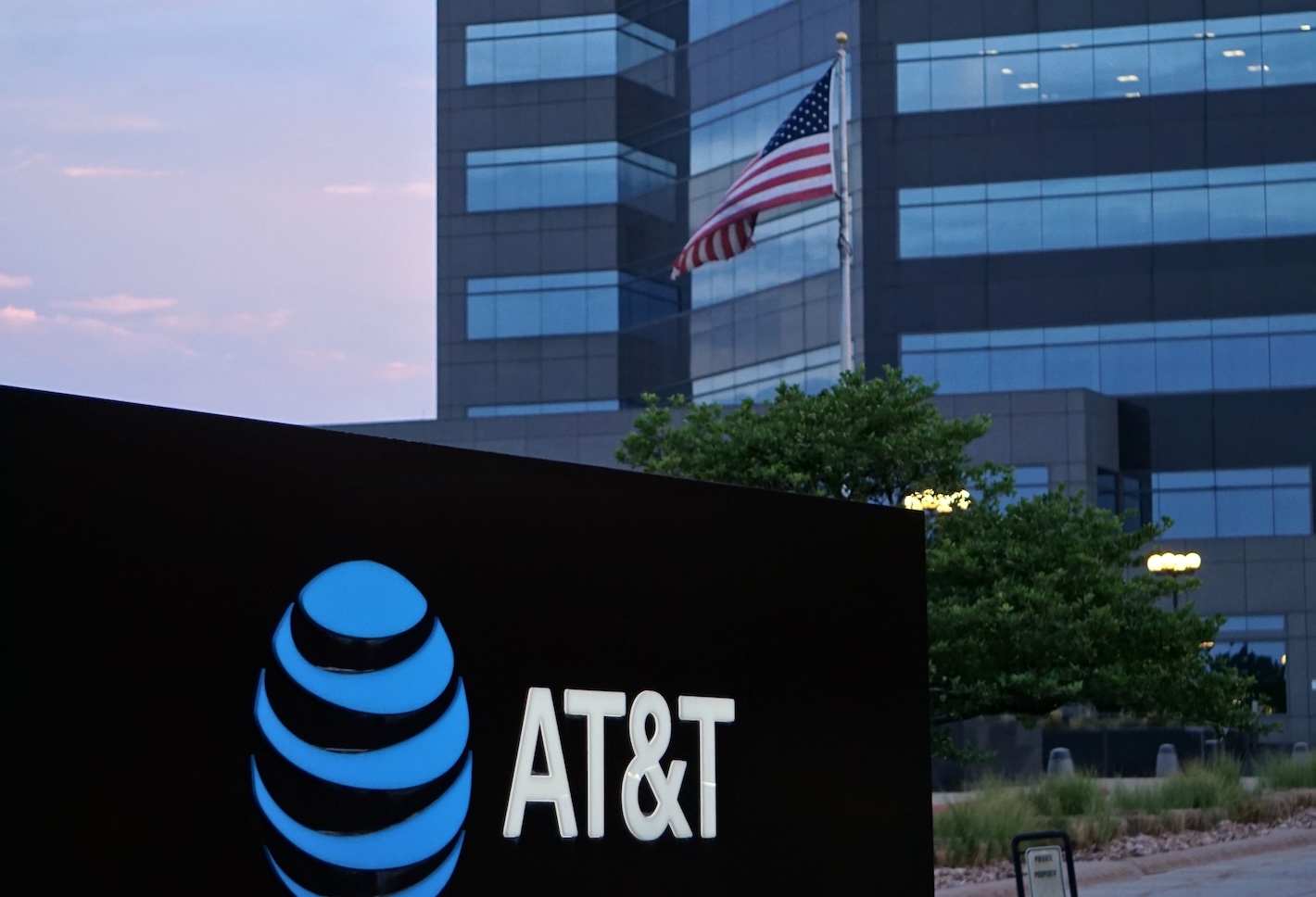 | At&t's Headquarters Expansion and Market Resilience AT&T is pursuing a $3.5 billion financing plan for its new headquarters in Plano, which includes a 280-foot cell tower to enhance employee experience and connectivity. The company's CEO, John Stankey, has emphasized the significance of this development amidst competitive pressures. Despite concerns over SpaceX's entry into the wireless market, AT&T continues to grow its customer base and has raised its revenue guidance, indicating resilience in its financial performance. |
 | Comcast's Strategic Restructuring Comcast is undertaking a major restructuring by separating its connectivity operations from its media and entertainment assets, including NBCUniversal and Sky. This move aims to create a more entrepreneurial management approach, allowing each entity to focus on distinct opportunities. As part of this strategy, Comcast is preparing for significant layoffs, with a $1 billion charge expected in Q4 2026 to streamline operations and facilitate growth. |
 | Telecom Giants' Regulatory Challenges AT&T, T-Mobile, and Verizon are collaborating to oppose an FCC proposal that could allocate more radio spectrum to SpaceX's Starlink Mobile. The carriers argue that the proposal threatens their 5G networks, prompting them to request the exclusion of certain frequency bands. This regulatory battle underscores the increasing tensions between traditional telecom giants and emerging players like SpaceX, as the latter seeks to disrupt the market with its satellite capabilities. |
 | Ai Integration and Cybersecurity in Telecom As AI becomes more integrated into telecom networks, AT&T and T-Mobile are enhancing their cybersecurity measures to address growing risks. T-Mobile's proactive approach to closing security gaps follows significant data breaches, while AT&T is implementing AI governance controls to protect customer data. Both companies acknowledge that fully autonomous networks are still years away, but emphasize the importance of robust cybersecurity frameworks as AI's role in critical infrastructure expands. |
 | Lumen Technologies' Executive Compensation Adjustments Lumen Technologies has revised its executive severance plan, removing CEO Kate Johnson from the previous plan and establishing a new structure that offers substantial severance benefits based on termination circumstances. These changes reflect Lumen's strategic adjustments in executive compensation, aiming to align with upcoming legislation and streamline severance administration while maintaining consistency in benefits for its executives. |
Verizon and Comcast Navigate Consumer Concerns Verizon and Comcast are facing consumer backlash over pricing strategies. Verizon's introduction of a $10 monthly fee for the new iPhone Handoff feature has led to customer dissatisfaction, with some considering switching carriers. Meanwhile, Comcast is perceived as having limited upside potential due to competitive pressures, particularly from Verizon. Both companies are navigating these challenges as they adapt to evolving market dynamics and consumer expectations.
|
If you have any questions, feel free to message us at info@topiq.pro.
|
|
Copyright © 2026 NewsFuel. All rights reserved.
|
|
|