|
Wed, November 04 2026
|
Your AI-powered news summary on
The AI Executive Brief
|
|
We synthesized 55 articles so you don't have to, saving you approximately 4 hours of reading time.
|
 | Regulatory Developments in Ai Governance The Indian government is finalizing a consultation paper on AI regulation, focusing on safety, deepfake concerns, and societal benefits accessibility. The framework aims to establish AI governance guidelines and a Safety Institute for oversight. Lloyds Banking Group highlights gaps in banking AI governance, as the SR 26-2 guidance excludes generative AI, prompting banks to develop their own oversight programs. In the UK, organizations lead in AI governance with human review requirements, yet face challenges in proving AI-assisted decisions, as noted by Arctera's report. |
 | Enterprise Ai Spending Soars Enterprise AI spending is projected to reach $177 billion by 2026, driven by autonomous agents, which now account for a significant portion of AI token generation. Anthropic, OpenAI, and Google lead the market, with their technologies dominating enterprise AI deployments. Despite the rapid increase, adoption rates have only slightly risen, indicating a focus on specific applications like coding and chatbots. |
 | Ai Agents in Healthcare and Cybersecurity AI Agents are transforming Clinical Decision Support systems in healthcare by intelligently synthesizing patient data and reducing clinician workload. In cybersecurity, CrowdStrike emphasizes the dual nature of agentic AI, which presents both risks and opportunities, exemplified by rogue AI agent incidents. Fortinet highlights the importance of stringent security measures to safeguard sensitive data in AI-driven customer management systems. |
 | Agentic Ai's Impact on Business Operations Agentic AI is revolutionizing business operations, with companies like Salesforce reporting significant revenue from AI-driven solutions that automate customer interactions. This trend is mirrored in the rise of solopreneurs who leverage AI agents to run businesses with minimal staff. However, the effectiveness of AI decisions heavily depends on data quality, necessitating robust validation and context understanding to ensure accurate outcomes. |
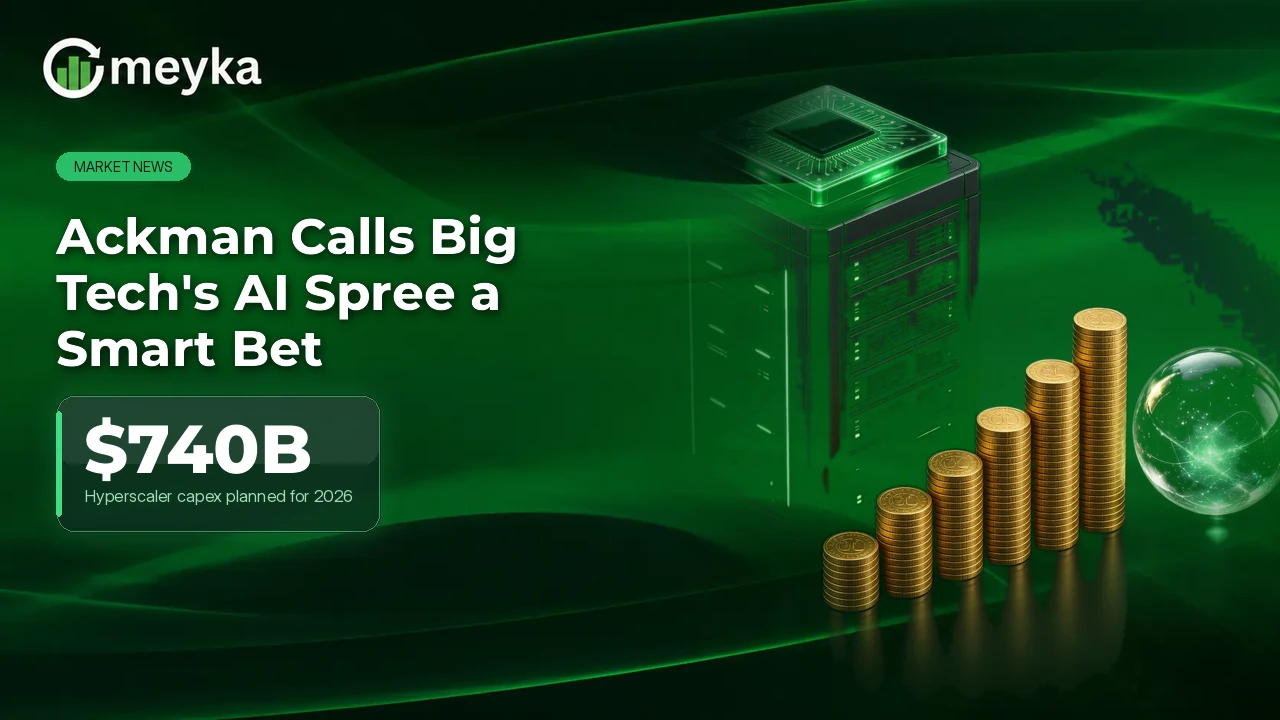 | Capital Expenditure Trends in Ai The AI sector is experiencing a substantial capex cycle, with projections of global AI spending reaching $5.5 trillion by 2030. Despite political concerns affecting data centers, investors like Bill Ackman support high capex by hyperscalers such as Microsoft, Meta, Amazon, and Google, as they aim to accelerate growth through strategic AI investments. |
 | Ai Tools and Partnerships Expanding in Asia Tencent Cloud launched new AI products and partnerships in Singapore, emphasizing its role in digital healthcare and governance frameworks. Meanwhile, Microsoft utilizes agentic AI to enhance features like internet speed tests in Windows 11, reflecting the ongoing integration of AI into user experiences and digital economies. |
 | Autonomous Systems and Ai Agents Reports from the Centre for a New American Security and others highlight the threats posed by sovereign AI agents, which operate independently and self-improve, posing risks to security and infrastructure. Companies like Apple acknowledge these dangers, emphasizing the need for transparency and legislative measures to manage AI agents' potential impacts. |
 | Advancements in Ai Tools for Embedded Systems STMicroelectronics has launched STM32Cube for Agentic AI, enhancing workflows in embedded software development. Keysight Technologies introduced new tools for automated testing in AI and manufacturing, positioning itself as a leader in providing essential infrastructure and software services for AI-driven industries. |
|
If you have any questions, feel free to message us at info@topiq.pro.
|
|
Copyright © 2026 NewsFuel. All rights reserved.
|
|
|