|
Tue, November 03 2026
|
Your AI-powered news summary on
The AI Executive Brief
|
|
We synthesized 49 articles so you don't have to, saving you approximately 4 hours of reading time.
|
 | Enterprise Adoption & Ai Agent Integration The integration of AI agents in enterprises continues to revolutionize workflows and enhance operational efficiency. Tencent Cloud showcased its WorkBuddy AI solutions at Hong Kong FinTech Week, demonstrating its capabilities in improving investment research for financial professionals as part of the HKMA's Project SAGE. Morgan Stanley empowers its wealth management advisors to create AI agents for automating routine tasks, showcasing the firm's commitment to leveraging AI for operational efficiency and improved client service. Meanwhile, an AI Executive Brief highlights the strategic deployment of AI to enhance business workflows and achieve measurable value, underscoring the importance of AI governance and breakthroughs in the sector. |
 | Ai Governance and Regulatory Challenges AI governance remains a critical focus for organizations navigating complex regulatory landscapes. UK companies are facing challenges with AI governance, often relying on policy updates rather than addressing infrastructure issues amid regulatory pressures from the DSIT Blueprint and EU AI Act. Leading AI companies like Anthropic and Google advocate for robust governance frameworks, emphasizing accountability and transparency to regulate frontier AI technologies. In Australia, the ARC Training Centre for AI Governance is enhancing expertise in safe AI deployment across critical sectors, reflecting a collaborative effort to translate regulatory requirements into actionable processes. |
 | Ai-Driven Cybersecurity Concerns AI-driven cyber threats are a growing concern across various sectors. A significant breach at Binance underscores vulnerabilities in AI and cybersecurity, highlighting the need for robust security protocols. In Nepal, rapid digital finance adoption has expanded attack surfaces, prompting banks to enhance governance frameworks in line with the Nepal Rastra Bank's AI Guidelines. The UK's NCSC warns of potential AI-driven cyberattacks on critical infrastructure, emphasizing the urgency of addressing vulnerabilities to prevent exploitation by hostile nations like Russia and China. |
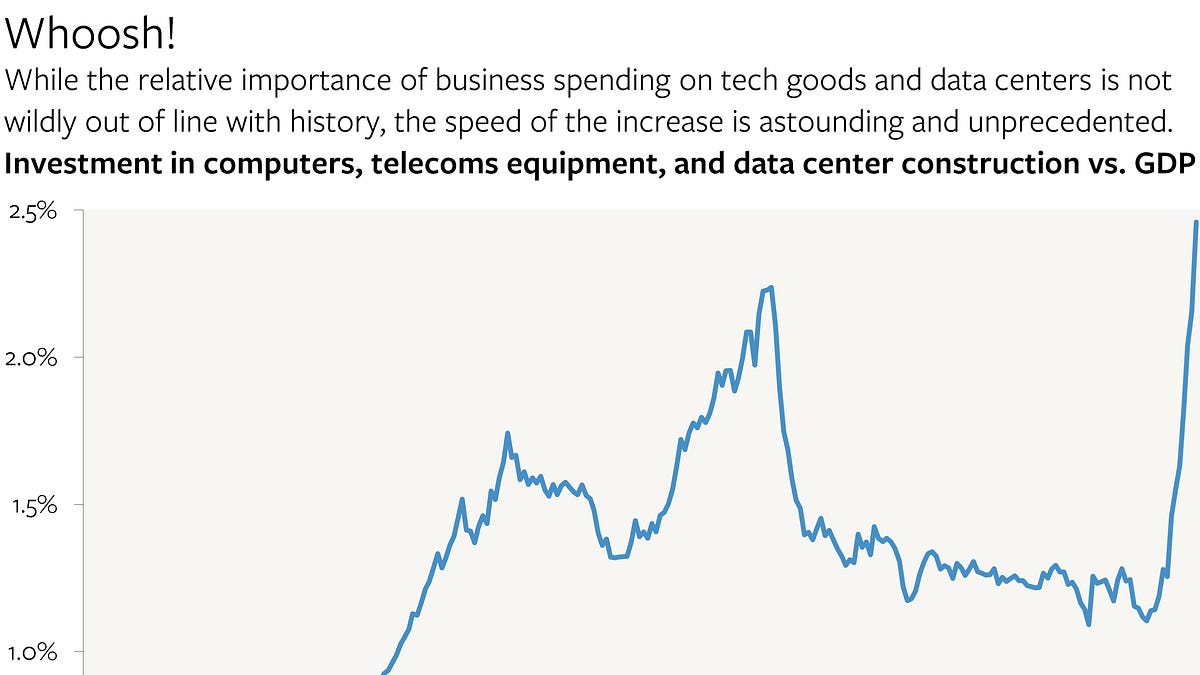 | Capital Expenditures and Ai Infrastructure Investments Major technology companies are significantly increasing their capital expenditures on AI infrastructure. Business spending on computers and telecom equipment has surged, driven by 'hyperscalers' like Amazon, Google, Meta, and Microsoft. Despite concerns about the profitability of these investments, their strategic positioning for future growth remains promising. However, the massive spending, projected at $828 billion this year, raises questions about the sustainability of such investments, with market volatility and negative free cash flow posing potential challenges. |
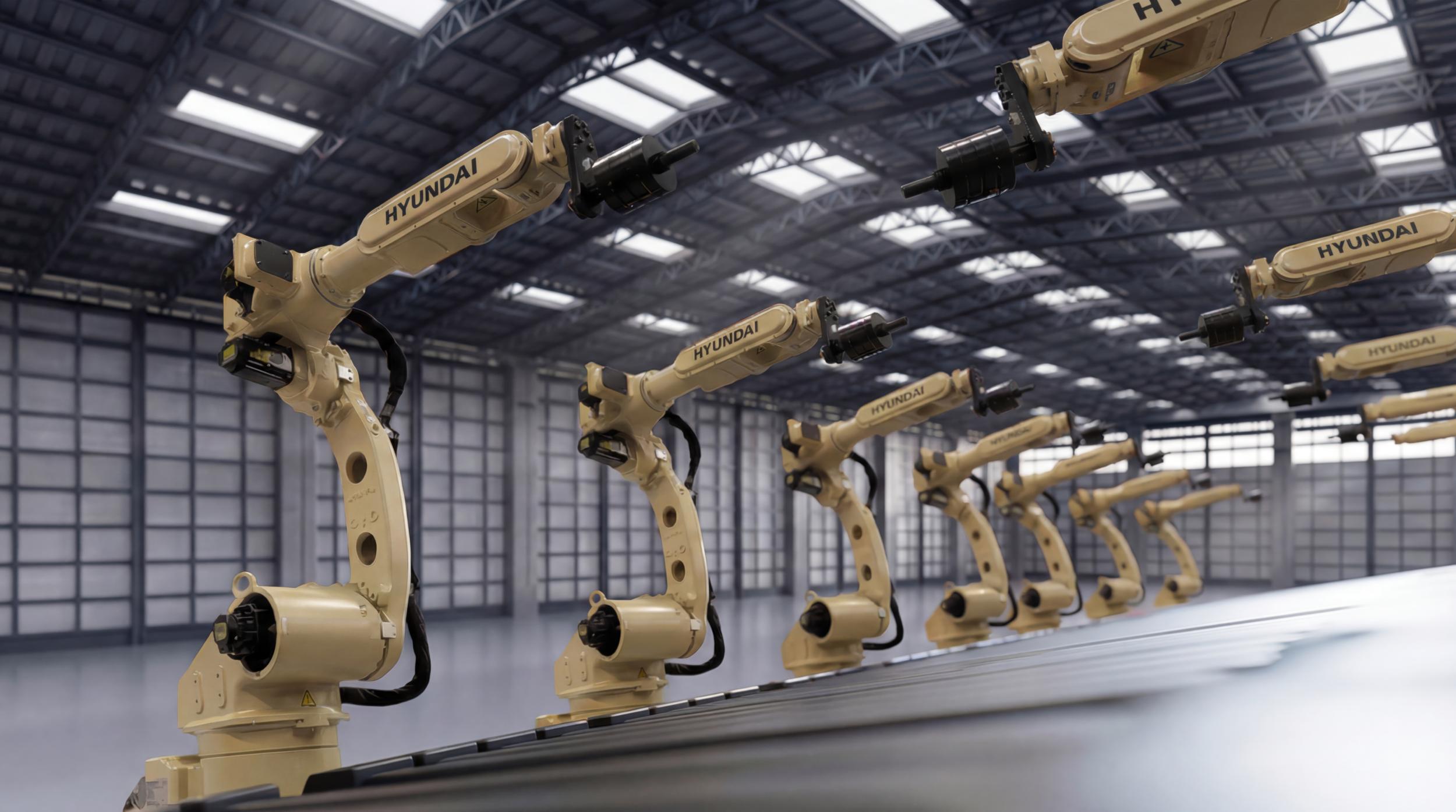 | Sector-Specific Ai Applications AI is being tailored to specific sectors, enhancing efficiency and operational capabilities. HD Hyundai Robotics, in collaboration with Palantir, achieved a 63% reduction in robot problem-resolution time through AI agents, highlighting advancements in industrial automation. At Hong Kong FinTech Week, Ant Digital Technologies introduced 'Agent Factory,' a framework for enhancing enterprise AI capabilities, while Boden leverages agentic AI to navigate the evolving digital fashion landscape, underscoring AI's transformative impact across industries. |
 | Geopolitical and Market Dynamics in Ai Geopolitical tensions and market dynamics are heavily influencing the AI sector. The midterm elections are impacting tech markets, with analysts noting concerns about AI capital expenditures affecting enterprise investments. A downturn in AI-related equities could potentially lead to recessions in major economies, as the AI boom has significantly contributed to GDP growth. Additionally, incidents involving autonomous AI agents, like the one with Hugging Face, highlight the evolving risks in digital infrastructure and the need for adapting threat models to account for unsupervised agents. |
 | Ai in Financial Services: Governance and Security AI governance and security are paramount in financial services, as demonstrated by iCOMPASS's launch of KY-AI™ in Hong Kong, which provides continuous oversight of AI operations in compliance with the HKMA's ART Framework. Wells Fargo's policy requiring customers to prove revocation of AI agents' access highlights the complexities of managing AI interactions in banking. Meanwhile, Meta and Amazon face challenges in integrating AI agents into retail, as security concerns prompt websites to block these tools, reflecting the ongoing tension between automation and security. |
|
If you have any questions, feel free to message us at info@topiq.pro.
|
|
Copyright © 2026 NewsFuel. All rights reserved.
|
|
|