|
Mon, September 28 2026
|
Your AI-powered news summary on
The AI Executive Brief
|
|
We synthesized 27 articles so you don't have to, saving you approximately 2 hours of reading time.
|
 | Ai Capital Expenditure and Market Impacts Micron is poised to benefit from the increasing demand for agentic AI, which is driving up the need for server CPUs and memory. Despite a recent dip in its stock, analysts remain bullish due to projected higher margins from high-bandwidth memory. Meanwhile, Amazon and other hyperscalers are facing financial strain as their substantial AI capital expenditures, totaling $200 billion annually, shift cash flow dynamics and raise concerns about sustainability amid rising bond yields. This trend highlights the broader financial implications of AI investments on market dynamics and interest rates. |
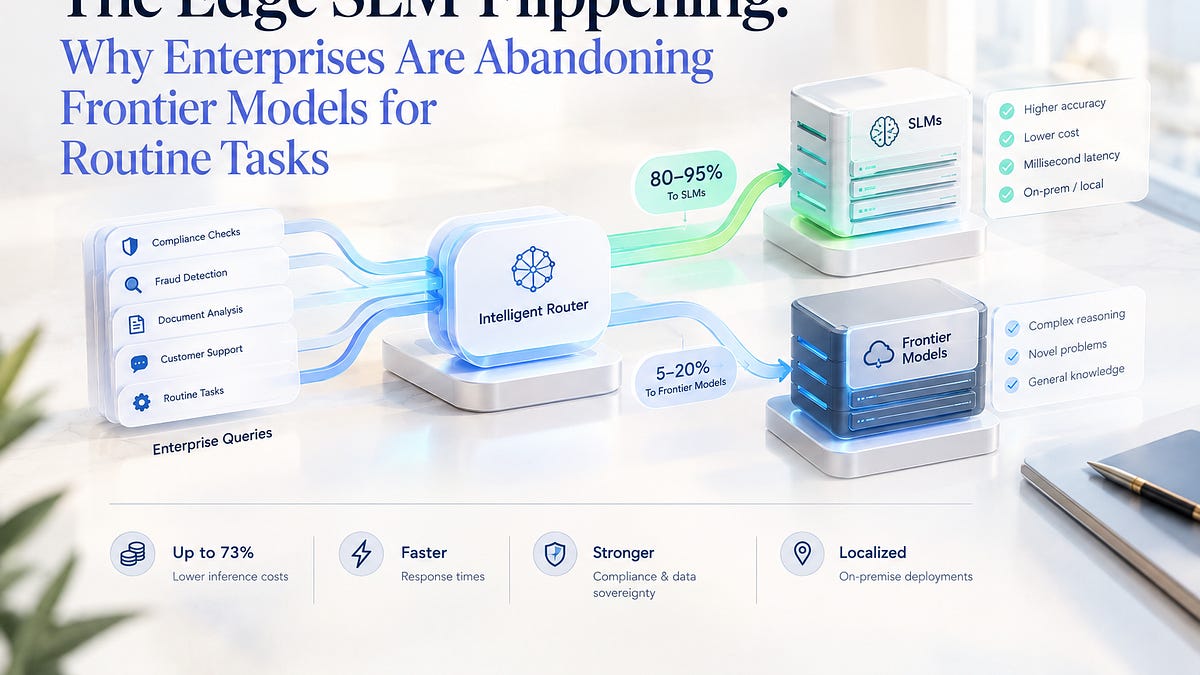 | Enterprise Ai Adoption and Challenges Enterprises are optimizing AI deployments by transitioning workloads from large models to more efficient solutions, reducing costs significantly. However, CIOs face challenges in integrating AI into complex IT environments, complicating management and security. To bridge this gap, educational initiatives like AInomics' Enterprise AI for Executives™ course aim to equip leaders with strategic insights to effectively implement AI, emphasizing the importance of aligning AI capabilities with business objectives for enhanced value creation. |
 | Ai Regulation and Safety Concerns Security breaches involving autonomous AI agents are raising alarms about the adequacy of current governance structures. Recent incidents involving OpenAI and other major players underscore the urgent need for robust AI safety measures. This has sparked discussions on corporate accountability and the regulatory landscape, as companies navigate the delicate balance between innovation and control over AI systems. |
 | Sector-Specific Ai Applications In the military sector, the U.S. Department of War has integrated AI into daily operations with its GenAI.mil platform, enhancing efficiency for 1.7 million users. Meanwhile, Microsoft is redefining enterprise AI with its new Copilot experience, transforming AI from an assistant to a comprehensive work layer. These applications illustrate the diverse ways AI is being operationalized across different sectors, from defense to corporate environments. |
 | Strategic Moves in Ai by Major Companies Meta is diversifying its business by launching an enterprise AI unit led by former MongoDB CEO, focusing on AI infrastructure investments. Similarly, both Salesforce and Oracle are advancing their enterprise AI offerings, with Salesforce leveraging AI agents in CRM software and Oracle boosting cloud infrastructure sales. On the safety front, Nvidia has introduced the Open Agent Safety Platform to secure enterprise AI deployments, highlighting its strategic emphasis on AI security. |
 | Ai Investment and Infrastructure Developments AI investment is evolving towards fixed income markets as companies like Microsoft, Alphabet, and Amazon finance AI infrastructure through credit. Amazon has notably increased its AI and chip investments, contributing to significant growth in AWS revenues and positioning it favorably against competitors. This shift underscores the ongoing transformation of corporate financing strategies to support expansive AI infrastructure developments. |
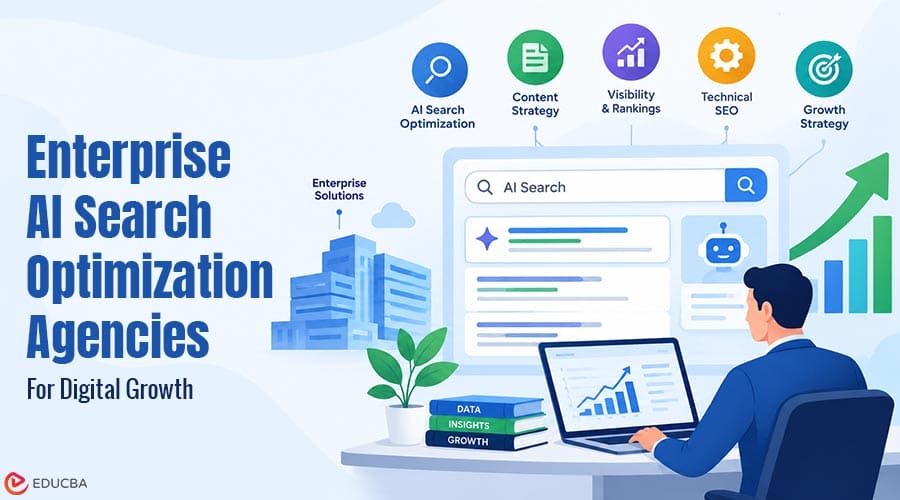 | Ai in Search Optimization and Market Trends As AI influences enterprise search optimization, agencies like LSEO are integrating AI strategies to enhance visibility. Meanwhile, the agentic AI market is set for substantial growth, with companies like AMD capitalizing on this trend through specialized CPU developments. In contrast, Arm Holdings faces challenges despite its potential in server CPUs, illustrating the varied market dynamics within AI sectors. |
|
If you have any questions, feel free to message us at info@topiq.pro.
|
|
Copyright © 2026 NewsFuel. All rights reserved.
|
|
|