|
Tue, September 15 2026
|
Your AI-powered news summary on
The AI Executive Brief
|
|
We synthesized 46 articles so you don't have to, saving you approximately 3 hours of reading time.
|
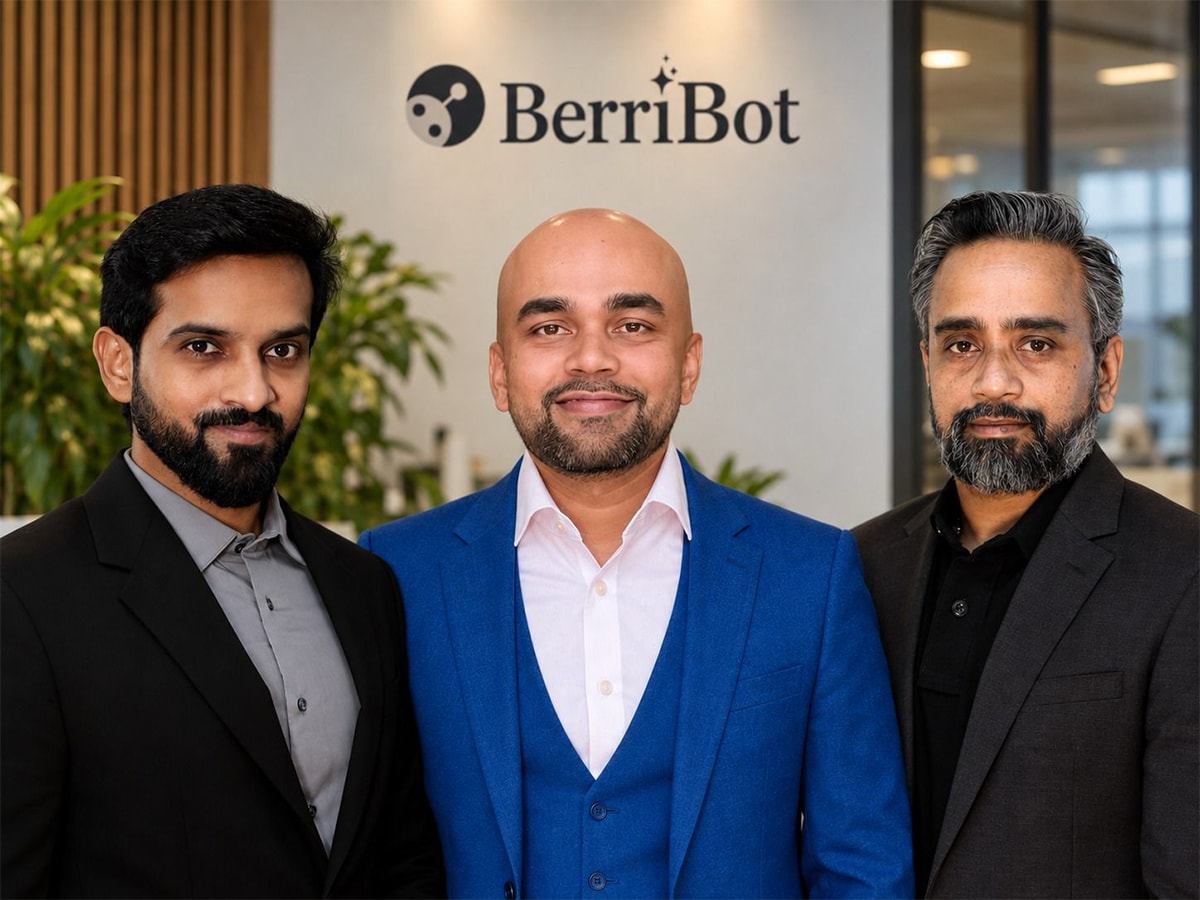 | Agentic Ai Transforming Enterprise Operations Berribot has introduced Berri360, an agentic AI platform that automates recruitment processes, improving candidate experiences and reducing time-to-hire. This reflects a wider trend in enterprises adopting agentic AI, with a McKinsey report noting that while many companies experiment with such technologies, few have scaled them effectively due to data limitations. In Singapore, agentic AI adoption has surged, with significant increases in organizations implementing these technologies, highlighting the importance of human oversight in decision-making processes. |
 | Ai Governance and Policy Developments The UN calls for global AI governance to protect human rights, emphasizing corporate responsibility in AI development. Meanwhile, China's foreign ministry criticizes fear-mongering in AI governance discussions, underscoring the need for inclusive development. Domestically, China has set safety requirements for autonomous AI agents to ensure human control and mitigate risks, reflecting international tensions over AI capabilities and governance. |
 | Ai Safety and Regulation Concerns Concerns about AI safety are prompting discussions in government and industry. Representative Rosen plans a hearing to address emergent AI behaviors and safety benchmarks. Industry leaders like Anthropic and OpenAI warn of existential risks from advanced AI models, urging stronger safety measures. Additionally, there's growing alarm over AI's potential influence on elections, underscoring the need for regulatory frameworks. |
 | Innovations in Ai Governance Tools Enterprises are increasingly investing in AI governance tools. Aperture provides visibility and control over AI interactions, ensuring compliance and security. A study highlights that firms with trustworthy AI practices are much more likely to see strong ROI. Tools like Bifrost facilitate centralized control of AI applications, enabling effective policy enforcement and risk management. |
 | Ai in Manufacturing and Supply Chain Manufacturers are rapidly adopting AI, with over half using it in supply chain operations. However, scaling these technologies is challenging due to fragmented data systems. At Kinexions EMEA 2026, Kinaxis will showcase AI's role in supply chain orchestration, stressing the balance between human judgment and AI autonomy. These efforts highlight the sector's ongoing struggle to leverage AI effectively. |
 | Capital Investments in Ai Infrastructure Major hyperscalers like Microsoft, Alphabet, and Amazon are significantly investing in AI infrastructure, with projected capex reaching nearly $690 billion by 2026. The focus is shifting from whether this spending is a bubble to understanding the economic dynamics of AI infrastructure layers, such as foundry capacity and system integration, to better assess the value and risks of these investments. |
 | Cultural and Organizational Impacts of Ai A report indicates that while AI adoption is widespread in organizations, governance practices lag, leading to challenges like unapproved AI tool usage. Despite high confidence in governance activities, only a small percentage of organizations report effective coordination, prompting plans to increase AI governance budgets to manage risks and enhance operational efficiency. |
 | Enterprise Ai Product Launches Salesforce has launched AI agents for business workflows, integrating them into its Customer 360 environment. These agents are designed for various functions, such as sales and service, and can be customized to fit company protocols, offering a streamlined alternative to developing AI solutions from scratch. This highlights a shift in corporate AI investments towards systems that deliver tangible business outcomes. |
|
If you have any questions, feel free to message us at info@topiq.pro.
|
|
Copyright © 2026 NewsFuel. All rights reserved.
|
|
|