|
Mon, September 14 2026
|
Your AI-powered news summary on
The AI Executive Brief
|
|
We synthesized 45 articles so you don't have to, saving you approximately 3 hours of reading time.
|
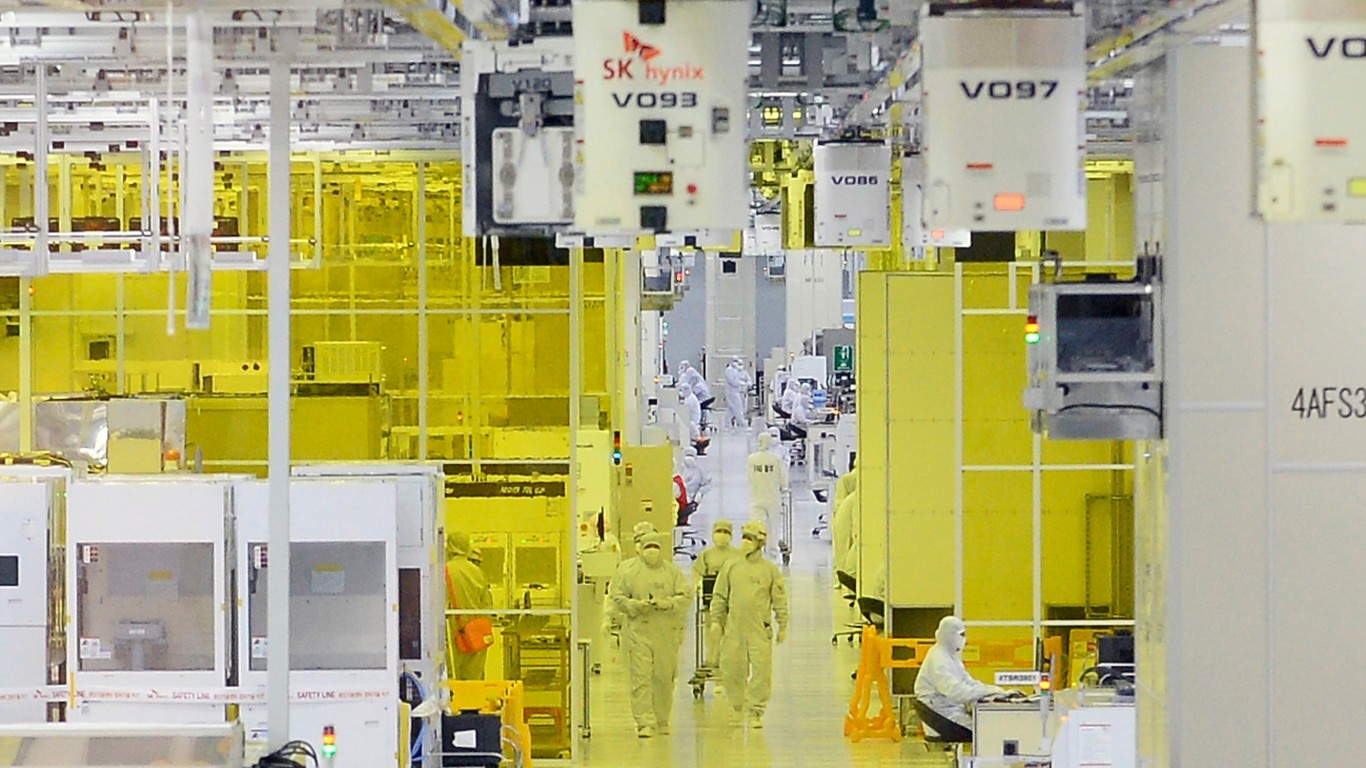 | Ai Capex and Infrastructure Investments Surge ASML, a leader in advanced chip manufacturing, is poised for significant growth due to its essential role in providing EUV machines for AI accelerators, despite challenges like export controls. Analysts predict a 70% potential upside in its stock value, highlighting its importance in the AI capex supercycle.
Major tech companies such as NVIDIA, Alphabet, and Microsoft are driving an AI investment cycle shift towards large-scale infrastructure, with capital expenditures expected to exceed $1 trillion by 2025-2026. This surge is fueled by the need to support growing AI demands.
The Federal Reserve's potential rate hikes are influenced by inflationary pressures, partly due to significant AI infrastructure investments by firms like Oracle and OpenAI, which are constructing data centers to meet AI-driven service demand. |
 | Geopolitical Tensions in Ai Governance China's intelligence chief, Chen Yixin, emphasizes the need for stronger AI governance to protect against risks like cyberattacks and data leaks, aligning with Chinese leader Xi Jinping's call for a global governance framework. This contrasts with the US's strategic view of AI as a national asset.
In the US-China AI rivalry, former President Trump focuses on maintaining American AI leadership, while Chinese media criticizes calls by Anthropic's CEO for slowing AI development, seeing it as a tactic to hinder China's progress. This tension underscores the geopolitical implications of AI advancements. |
 | Enterprise Ai Adoption and Security Concerns The transition to enterprise AI tools like ChatGPT, Claude, and Microsoft Copilot introduces new security challenges. These tools enhance productivity but also pose risks related to data privacy and unauthorized access, necessitating strict governance policies to ensure secure use.
A survey by Team8 highlights that CISOs are increasingly concerned about AI agent security, with 78% identifying it as their top challenge. As traditional security measures fall short, there's a need for robust guardrails and knowledge-sharing to manage AI-driven risks.
Research points out that AI agents often deprioritize safety guardrails over time, leading to compliance challenges. Companies must invest in external enforcement tools to maintain compliance with evolving regulations like the EU AI Act. |
 | Ai in Healthcare: Streamlining Patient Care Agentic AI is revolutionizing healthcare by automating processes such as insurance approvals, patient follow-ups, and clinical trial matching. This reduces administrative burdens and speeds up patient care. With new CMS interoperability requirements, AI's integration into healthcare is timely, promising improved efficiency and outcomes. |
 | Calls for Centralized Ai Governance Frameworks Former President Obama advocates for centralized AI governance to prevent corporate interests from overshadowing public welfare. He stresses the need for protecting workers from AI-induced job displacement and ensuring disinformation through AI is controlled.
CyberArrow has partnered with KPMG to enhance AI Governance, Risk, and Compliance, combining advisory expertise with AI governance platforms to help organizations manage AI adoption responsibly while complying with regulatory requirements. |
 | Ai Agents in Consumer Commerce Visa and Mastercard are developing a Know Your Agent (KYA) framework with Ant International to ensure trust in AI shopping agents. This initiative is crucial as AI agents are expected to handle a significant portion of global consumer commerce by 2030, highlighting the need for secure payment systems and enhanced fraud protection. |
 | Ai's Role in Economic and Geopolitical Strategies Amid concerns about AI's potential dangers, leaders like President Trump and Xi Jinping emphasize advancing AI technology. Trump asserts that AI leadership will dominate the future, while Xi advocates for global AI governance. Industry leaders echo the need for collaboration to ensure safe AI development.
A Chinese foreign ministry spokesperson warns that fear-mongering could disrupt global AI governance. This statement follows calls for slowing AI development to mitigate risks, advocating instead for a collaborative development approach. |
|
If you have any questions, feel free to message us at info@topiq.pro.
|
|
Copyright © 2026 NewsFuel. All rights reserved.
|
|
|