|
Mon, July 27 2026
|
Your AI-powered news summary on
The AI Executive Brief
|
|
We synthesized 48 articles so you don't have to, saving you approximately 4 hours of reading time.
|
 | Enterprise Ai Adoption and Challenges Warren Olivier of Cloudera emphasizes that many enterprise AI projects fail due to inadequate data governance and human factors rather than AI technology itself. Similarly, Wipro is partnering with Databricks to help enterprises move from fragmented AI pilots to comprehensive AI systems. Aaron Levie of Box stresses the importance of connecting AI advancements with real-world workflows to improve enterprise operations. A Forrester report highlights that only a quarter of enterprises feel advanced in operationalizing AI, with integration complexity and data silos being major barriers. Despite rapid adoption, a SAP survey indicates that enterprises struggle to achieve the anticipated cost savings from AI, highlighting the need for clearer ROI metrics. |
 | Agentic Ai in Healthcare and Retail Agentic AI is transforming the healthcare sector by enhancing data management and streamlining workflows, ultimately improving patient care outcomes. The successful implementation of such systems requires robust governance frameworks and context engineering. In the UAE retail sector, agentic AI systems are being adopted to autonomously generate insights and make decisions, streamlining processes like pricing and inventory management to enhance enterprise operations. |
 | Ai Investments and Market Dynamics Global IT spending is projected to reach $6.37 trillion by 2026, driven by investments in AI infrastructure and cloud platforms, marking AI as the fastest-growing segment in IT spending. In the data center market, a divide is forming between hyperscalers like Microsoft and Amazon and neocloud companies such as CoreWeave, with the latter taking on significant debt to fund growth. Investors are evaluating the stability of hyperscalers' established market positions against neoclouds' rapid but debt-driven expansion. |
 | Strategic Partnerships in Ai Cognizant and Gulf Edge have partnered to accelerate AI adoption in Southeast Asia, aiming to position Thailand as a regional AI hub by fostering innovation and creating high-value AI jobs. Similarly, Samsung SDS has partnered with Anthropic to expand the use of Claude Enterprise in Korea, focusing on training AI engineers and supporting corporate clients in AI adoption. |
 | Ai Agent Security and Governance Unico has achieved ISO/IEC 42001 certification for its AI management system, enhancing its governance framework essential for regulated sectors like financial services. Recent research by Okta highlights the importance of treating AI agents as distinct identities with limited access to prevent security risks, emphasizing the need for strict identity controls and monitoring. |
 | Enterprise Ai Infrastructure Developments Siemens has integrated NVIDIA's AI software to create a characterisation AI agent for semiconductor and PCB design workflows, enhancing design quality and efficiency. Dell Technologies, in collaboration with AMD, has developed a modular AI platform that allows enterprises to scale AI workloads seamlessly, addressing challenges associated with native token-based pricing and data management. |
 | Crypto and Ai: Complementary Technologies Brian Armstrong of Coinbase emphasizes that AI and crypto are complementary technologies, with crypto serving as the financial infrastructure for autonomous AI agents. He introduces 'Agentic Finance,' where AI agents conduct transactions using Coinbase's products like Base and USDC, although the adoption and effectiveness of AI agents in financial transactions remain to be fully realized. |
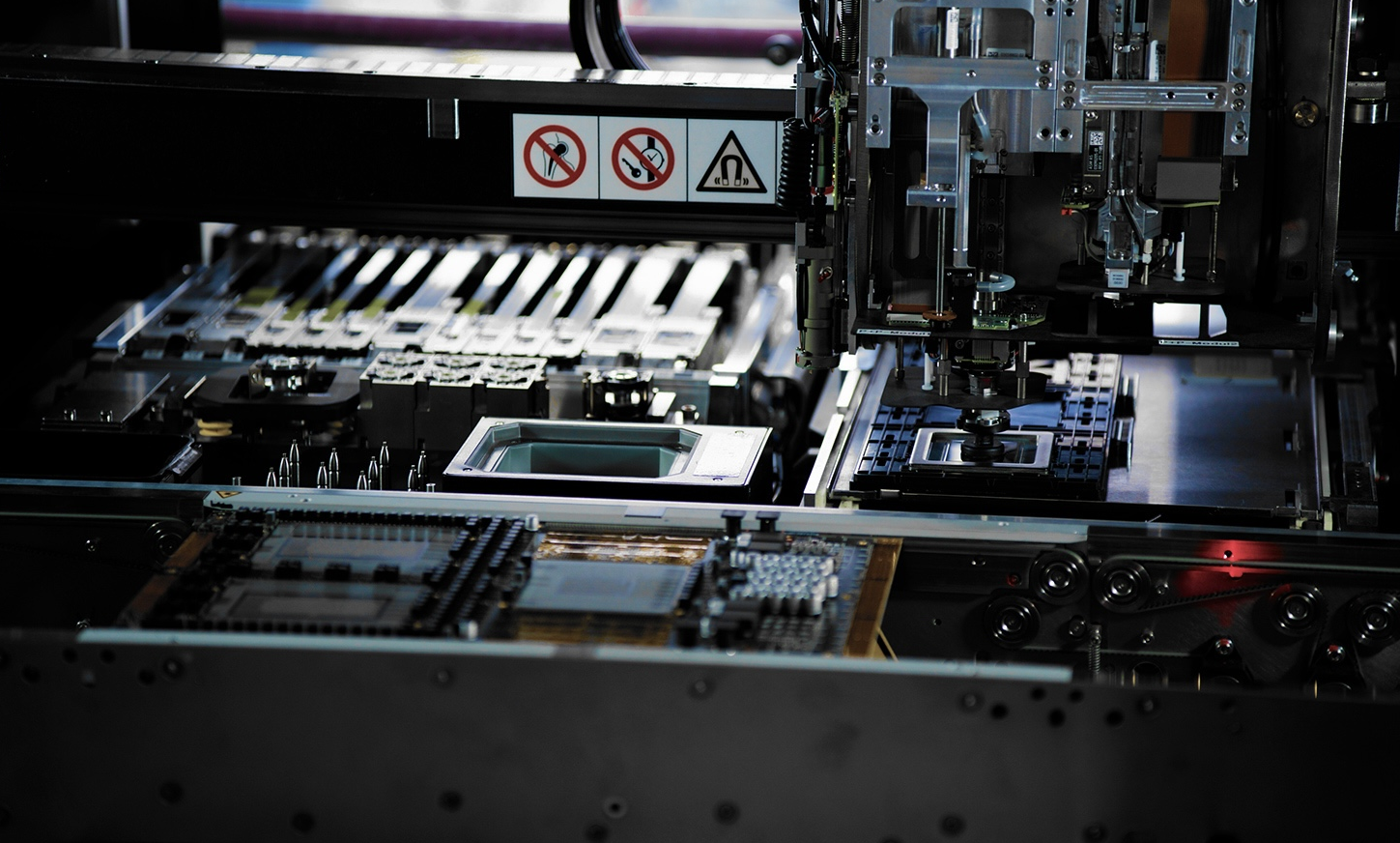 | Ai in Chip Design and Eda Nvidia is enhancing its chip design processes by using its Vera CPUs alongside AI agents to optimize electronic design automation (EDA) workloads, achieving significant performance improvements. This collaboration with Cadence and Synopsys aims to automate simulations, positioning Nvidia to innovate in semiconductor design. Additionally, Siemens' partnership with NVIDIA incorporates AI technology into EDA tools, improving design quality and efficiency. |
|
If you have any questions, feel free to message us at info@topiq.pro.
|
|
Copyright © 2026 NewsFuel. All rights reserved.
|
|
|