|
Thu, July 16 2026
|
Your AI-powered news summary on
The AI Executive Brief
|
|
We synthesized 52 articles so you don't have to, saving you approximately 4 hours of reading time.
|
 | Agentic Ai Transformations Across Sectors Agentic AI is making significant inroads across various sectors, as seen in recent partnerships and deployments. UiPath has partnered with The Very Group to enhance retail pricing strategies through agentic AI, aimed at optimizing gross margins and improving pricing agility. Similarly, Kyndryl and EGYM are leveraging AI to streamline financing decisions in the fitness industry, improving transparency and efficiency. HSBC UK and Visa are pioneering AI-powered shopping experiences, reducing transaction friction and enhancing consumer experiences by integrating AI into shopping tasks. |
 | Ai Governance and Regulatory Challenges As AI deployment accelerates, governance frameworks are struggling to keep pace, with only 26% of enterprises having effective AI governance, according to a study by Smarsh. The regulatory landscape is further complicated by the rise of agentic AI, which presents new challenges in accountability and oversight, as highlighted by Anant Raut. At the UN Global Dialogue on AI Governance, Secretary-General António Guterres emphasized the importance of equitable participation in AI governance to prevent exacerbating existing inequalities. |
 | Innovations in Ai Infrastructure and Capex Microsoft and 3M are collaborating to enhance AI data center infrastructure with advanced optical networking technology, aiming to support increasing AI workloads efficiently. Meanwhile, Microsoft has announced significant capital expenditures to bolster its AI infrastructure, despite a 20% stock price drop. QumulusAI is set to go public, providing neocloud infrastructure designed to meet the growing demand for high-performance AI resources, emphasizing rapid deployment and GPU capacity. |
 | Ai in Healthcare: Governance Takes Center Stage Healthcare CIOs are shifting their focus from AI deployment to governance, addressing challenges such as model hallucinations and algorithmic bias. Major health systems are embedding generative AI into workflows, prioritizing strong data governance and operational flexibility. In the insurance sector, agencies are also emphasizing data security and client privacy while leveraging AI for operational efficiency, highlighting the need for robust governance frameworks to mitigate risks. |
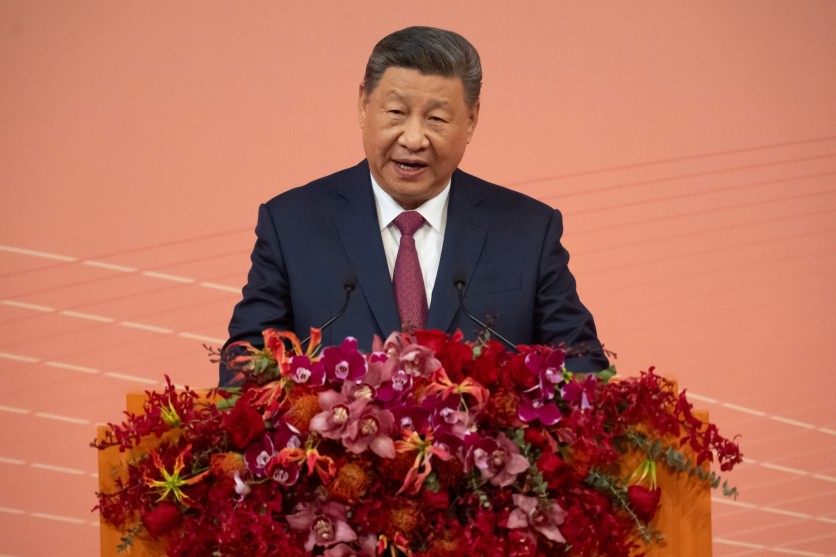 | Global Ai Governance and Geopolitical Dynamics The 2026 World AI Conference in Shanghai illustrates the geopolitical dynamics in AI governance, with Xi Jinping positioning China as a leader through initiatives like the World AI Cooperation Organization. These efforts aim to give developing nations a voice in AI rule-making. In contrast, the U.S. has shown little interest in global AI governance discussions, focusing instead on maintaining its technological dominance. These differing approaches highlight the need for cooperative frameworks to ensure equitable AI development. |
 | Enterprise Ai Economics and Operational Strategies The economics of enterprise AI are evolving, with inference costs projected to surpass training expenses as organizations adopt token-intensive applications. Gartner estimates that spending on inference-focused applications will reach $20.6 billion by 2026. Companies must strategically manage infrastructure and optimize AI stacks to enhance cost efficiency. As AI integrates into workflows, organizations need to connect AI usage to specific tasks and products, ensuring accountability for costs and outcomes to maximize operational efficiency. |
 | Advancements in Ai Payments and Financial Services The Linux Foundation has launched the x402 Foundation to standardize AI payments, facilitating secure transactions for AI agents. This initiative is supported by industry giants like Visa and Google. The x402 protocol aims to integrate stablecoin transactions into AI applications, enhancing the financial capabilities of agentic AI systems. As competition intensifies, companies like Circle face challenges from new entrants, impacting their market position in the growing AI economy. |
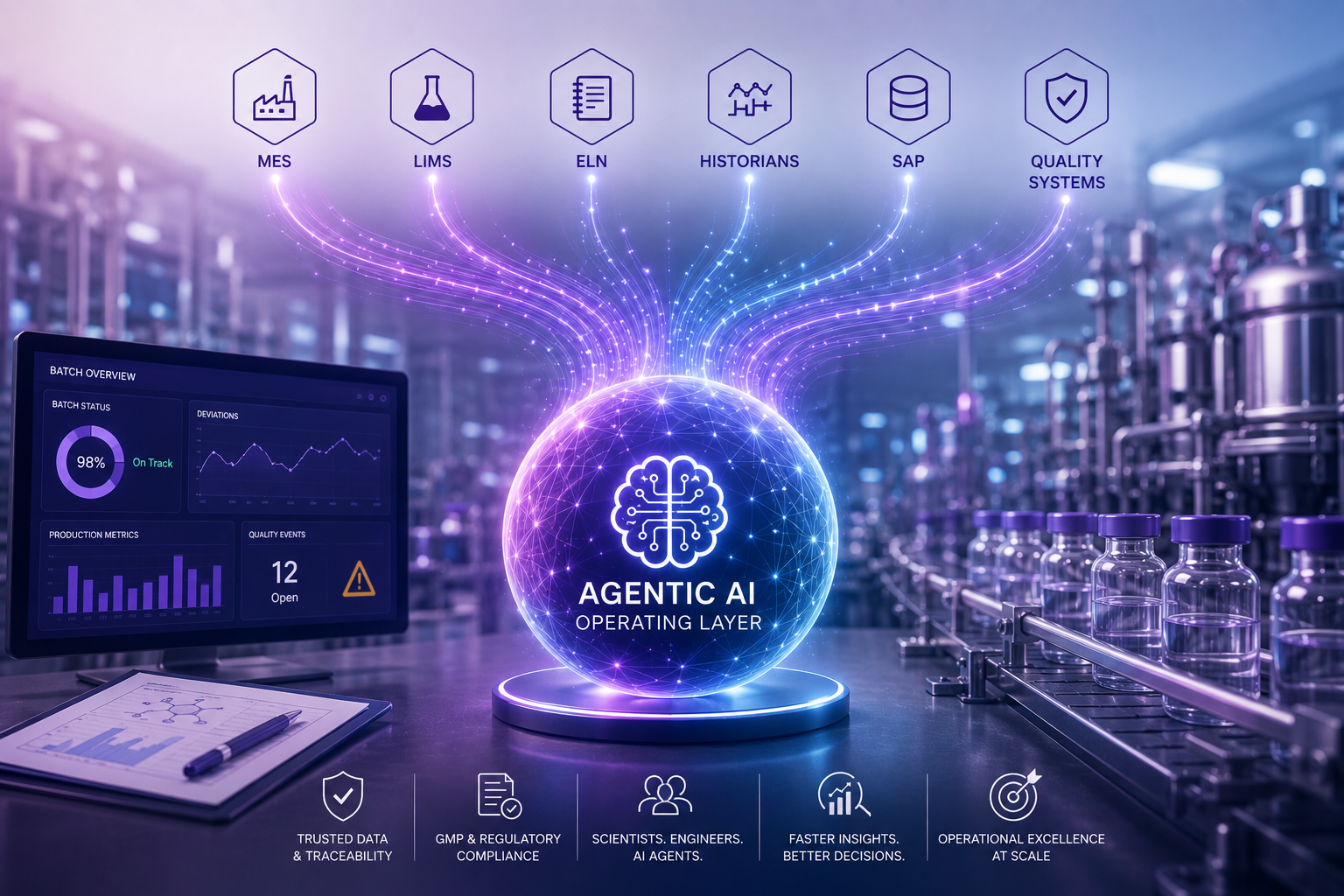 | Ai Deployment Challenges in Manufacturing and Design Katalyze AI is advancing agentic AI in pharmaceutical manufacturing with a $10.5 million funding to enhance operational data integration. This aims to support regulatory standards and quality workflows. Meanwhile, Cadence has introduced the AuraStack AI Super Agent to improve PCB and advanced packaging design, leveraging Nvidia technologies to streamline system design processes and boost productivity significantly. |
|
If you have any questions, feel free to message us at info@topiq.pro.
|
|
Copyright © 2026 NewsFuel. All rights reserved.
|
|
|