|
Sun, July 05 2026
|
Your AI-powered news summary on
The AI Executive Brief
|
|
We synthesized 46 articles so you don't have to, saving you approximately 3 hours of reading time.
|
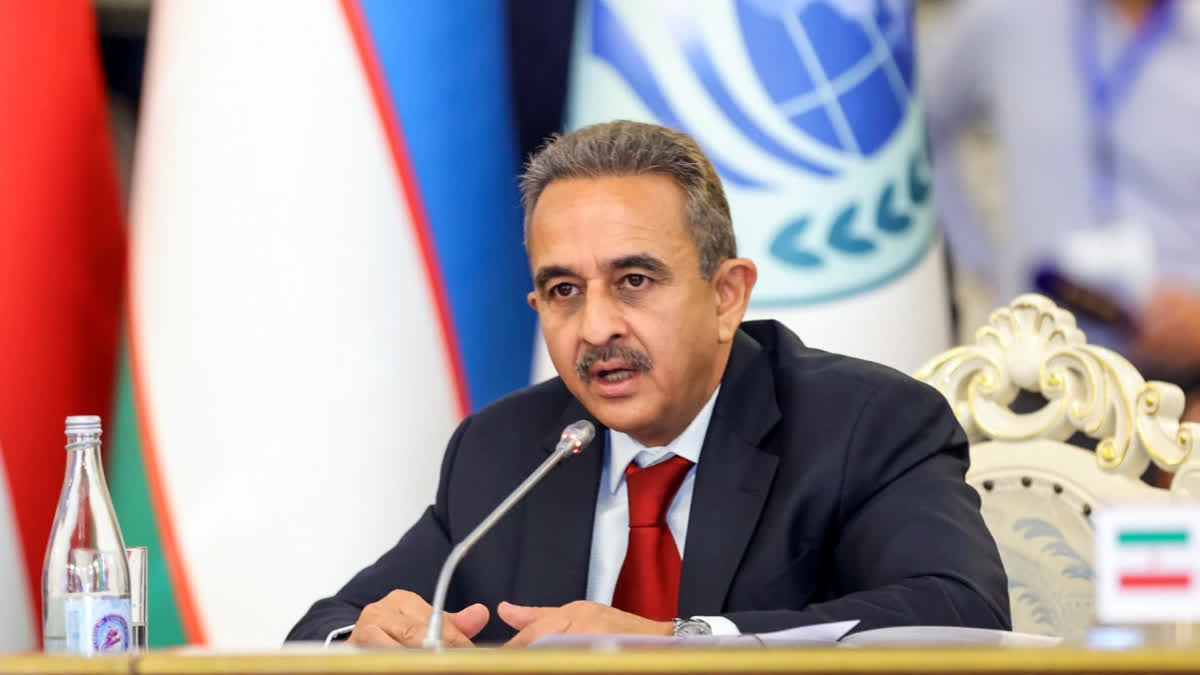 | Global Ai Governance Efforts Intensify Minister of State for External Affairs Kirti Vardhan Singh leads India's delegation at the inaugural UN Global Dialogue on AI Governance in Geneva. This event focuses on enhancing international cooperation for AI governance, with a particular emphasis on sustainable development in developing countries. The dialogue is part of a broader initiative outlined in the Global Digital Compact, aiming to foster transparency and accountability in AI systems. The forum will also explore AI's social and economic implications, safety, and human rights, with discussions featuring key figures such as UN Secretary-General Antonio Guterres. |
 | Ai in Insurance: Balancing Automation with Oversight Agentic AI is transforming the insurance industry by automating processes like underwriting and document verification. However, human oversight remains essential, particularly in decisions involving financial and regulatory risks, as emphasized by valantic at a recent summit. The rise of AI agents, predicted to be incorporated in 40% of enterprise applications by 2026, has exposed governance gaps, necessitating a transition to headless identity infrastructure to ensure security and efficiency. |
 | Enterprise Ai Deployment and Employee Adaptation Cisco is pioneering enterprise AI adoption by deploying personalized AI agents to all 90,000 employees, aiming to enhance efficiency and cost control. This rollout is accompanied by upskilling programs to aid employee adaptation to AI-driven workflows. The initiative comes shortly after significant layoffs, raising questions about workforce trust in AI tools and the company's strategic direction in achieving substantial ROI from its AI investments. |
 | Ai Investments and Market Dynamics The AI market is experiencing a divergence between hyperscalers and chipmakers, with hyperscalers expected to double their AI spending, reaching $725 billion in capex this year. Despite this, analysts warn of potential market corrections due to investor impatience for returns. Jefferies highlights the wealth transfer to North Asia, particularly in Korea and Taiwan, as a significant indicator of where AI capital is being directed, amidst concerns of capital destruction if anticipated returns do not materialize. |
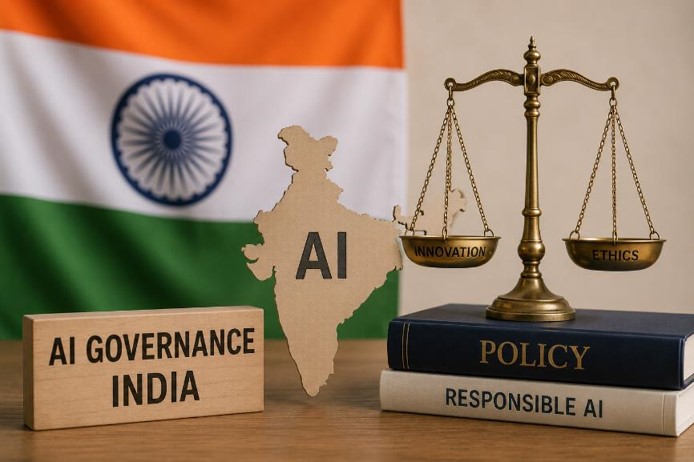 | Ai's Role in Digital Governance and Public Administration India is emphasizing 'Human-led AI' in its digital governance strategy, as highlighted in the Jaipur Declaration, which outlines AI-enabled governance for enhanced transparency and accountability. Concurrently, the Indian government has established the Technology and Policy Expert Committee (TPEC) to assist in AI governance decisions, aiming to translate complex technical and policy issues into actionable insights, ensuring cohesive and adaptive AI governance across government bodies. |
 | Ai's Impact on Sustainability and Energy Consumption Research from KAIST reveals that agentic AI significantly increases energy consumption, with test-time scaling using up to 136.5x more electricity than traditional chatbot operations. This finding underscores the need for efficient inference architecture and routing choices in enterprise AI to optimize performance while managing energy costs effectively, highlighting the environmental considerations in deploying AI solutions at scale. |
 | Ai Governance in Law Enforcement The introduction of an AI-based e-traffic prosecution system by the Dhaka Metropolitan Police in Bangladesh marks a significant advancement in law enforcement. However, it raises concerns about the lack of a legal framework for governing AI use, particularly regarding the authenticity of AI-generated evidence and citizens' rights. This highlights the urgent need for comprehensive legislative definitions to support AI integration in law enforcement and ensure accountability. |
 | International Collaborations for Ai Development India and Japan have launched a roadmap to enhance AI cooperation, focusing on joint research, secure AI infrastructure, and governance frameworks. The partnership aims to foster talent exchange and promote multilingual AI models, with a target of bringing 500 Indian AI professionals to Japan by 2030. This initiative underscores the importance of international collaboration in building resilient AI ecosystems and ensuring safe, inclusive advancements in AI technology. |
|
If you have any questions, feel free to message us at info@topiq.pro.
|
|
Copyright © 2026 NewsFuel. All rights reserved.
|
|
|