|
Fri, July 03 2026
|
Your AI-powered news summary on
The AI Executive Brief
|
|
We synthesized 48 articles so you don't have to, saving you approximately 4 hours of reading time.
|
 | Microsoft's $2.5 Billion Push for Enterprise Ai Microsoft has launched the Frontier Company with a $2.5 billion investment to accelerate AI adoption in enterprises. This initiative will embed 6,000 engineers within client organizations to tailor AI systems to specific needs while maintaining data security. The division aims to deliver measurable business outcomes and foster model-agnostic AI platforms, empowering companies to build their own AI capabilities and avoid reliance on single model vendors. Microsoft seeks to establish itself as a leader in enterprise AI by demonstrating tangible business value through strategic partnerships and customer success stories. |
 | Ai Governance: Challenges and Global Efforts OpenAI CEO Sam Altman has proposed a US-led international forum for AI safety standards, aiming to ensure equitable access and prioritize safety. Similarly, AvePoint reports that enterprise AI adoption is outpacing security controls, highlighting governance gaps that pose significant risks. Meanwhile, China's Global AI Governance Initiative emphasizes international collaboration to develop a comprehensive governance system. The United Nations AI for Good Global Commission is uniting leaders to explore responsible AI solutions amidst evolving global regulations. |
 | Agentic Ai: Transformative Potential and Risks Meta is enhancing its Muse Spark model to bolster coding and agentic capabilities in the enterprise AI sector. The rapid adoption of agentic AI in financial crime compliance highlights the technology's potential, though many firms face underwhelming ROI. In manufacturing, agentic AI enables autonomous systems to optimize operations. However, Meta CEO Mark Zuckerberg admitted slower-than-expected progress in developing AI agents, highlighting the challenges of achieving reliable autonomy. At PNNL, the AutoLabs system exemplifies agentic AI's ability to expedite scientific research by automating experimental processes. |
 | Ai in Sector-Specific Applications IHG Hotels & Resorts is leveraging AI to enhance guest experiences through personalized travel planning, improving both customer satisfaction and operational efficiency. In Latin America, Nexaryon has launched an AI platform in Mexico to support sectors like finance and healthcare with high-performance computing resources. Inception42 and OpenAI have developed Seraj, an Arabic AI model to improve regional AI applications across various sectors. In manufacturing, agentic AI is revolutionizing workflows by enabling systems to autonomously manage production processes, enhancing efficiency and reducing costs. |
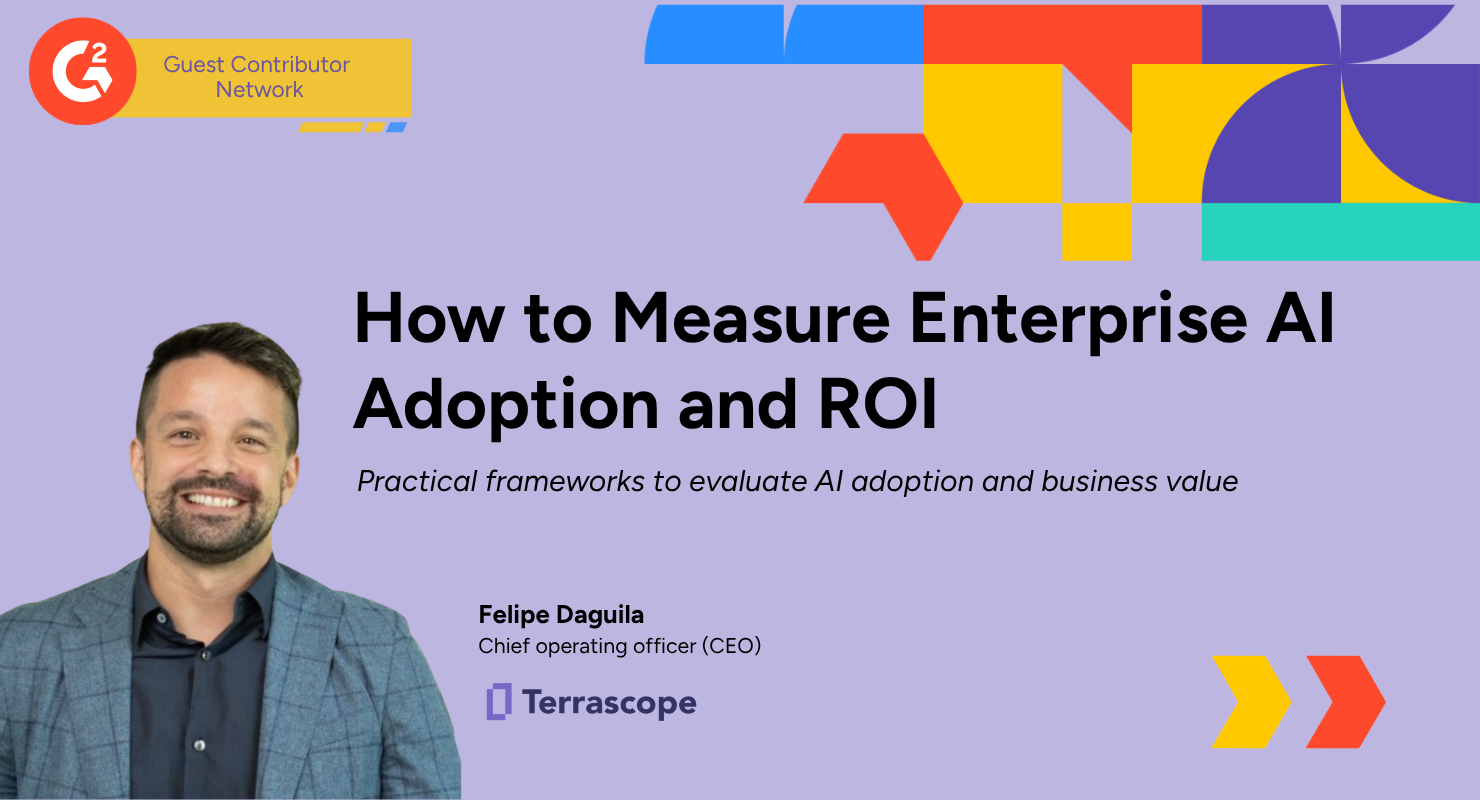 | Enterprise Ai Adoption and Infrastructure Challenges Despite increased access to AI tools, only a quarter of companies have transitioned AI pilots into production, highlighting integration challenges. As enterprises invest in AI, they face infrastructure hurdles beyond GPU and cloud capacity, necessitating a rethink of data center strategies. Workato and AWS are scaling AI production through a partnership that simplifies AI interactions with enterprise systems. Moreover, enterprise AI tools are influencing consumer adoption, with many employees utilizing workplace AI tools in their personal lives, creating a powerful customer acquisition channel. |
 | Ai Security and Governance Platforms on the Rise BlackLine has expanded its platform with a Finance Control Console to enhance governance and observability for AI agents in financial operations. The importance of effective governance is underscored by challenges in identifying authority over risky AI models. DataRobot offers a comprehensive AI governance solution to ensure consistent policy enforcement across environments. Meanwhile, Lineaje's UnifAI platform enhances AI security and compliance by offering asset discovery and threat scanning, crucial for managing the complexities of agentic AI applications. |
 | Geopolitical Dynamics in Ai Development The geopolitics of AI are shifting as model access becomes crucial, moving beyond traditional concerns about chips and models. Allegations against Alibaba for fraudulent model access highlight access control's strategic importance. The U.S. government's involvement in regulating AI access reflects AI's intertwining with national security. As buy-side firms integrate AI into compliance processes, they are reassessing their models to enhance capabilities amidst regulatory demands. Nvidia anticipates a significant rise in AI-related capex, projecting $3 trillion to $4 trillion by 2030, with the potential to greatly increase its revenue and earnings. |
|
If you have any questions, feel free to message us at info@topiq.pro.
|
|
Copyright © 2026 NewsFuel. All rights reserved.
|
|
|